Cutting retail shrinkage with behaviour-aware cameras
The loss that hurts a store is rarely the smash-and-grab on the evening news. It is quiet, it repeats, and it is almost always already on camera. The gap is who is watching, and when.
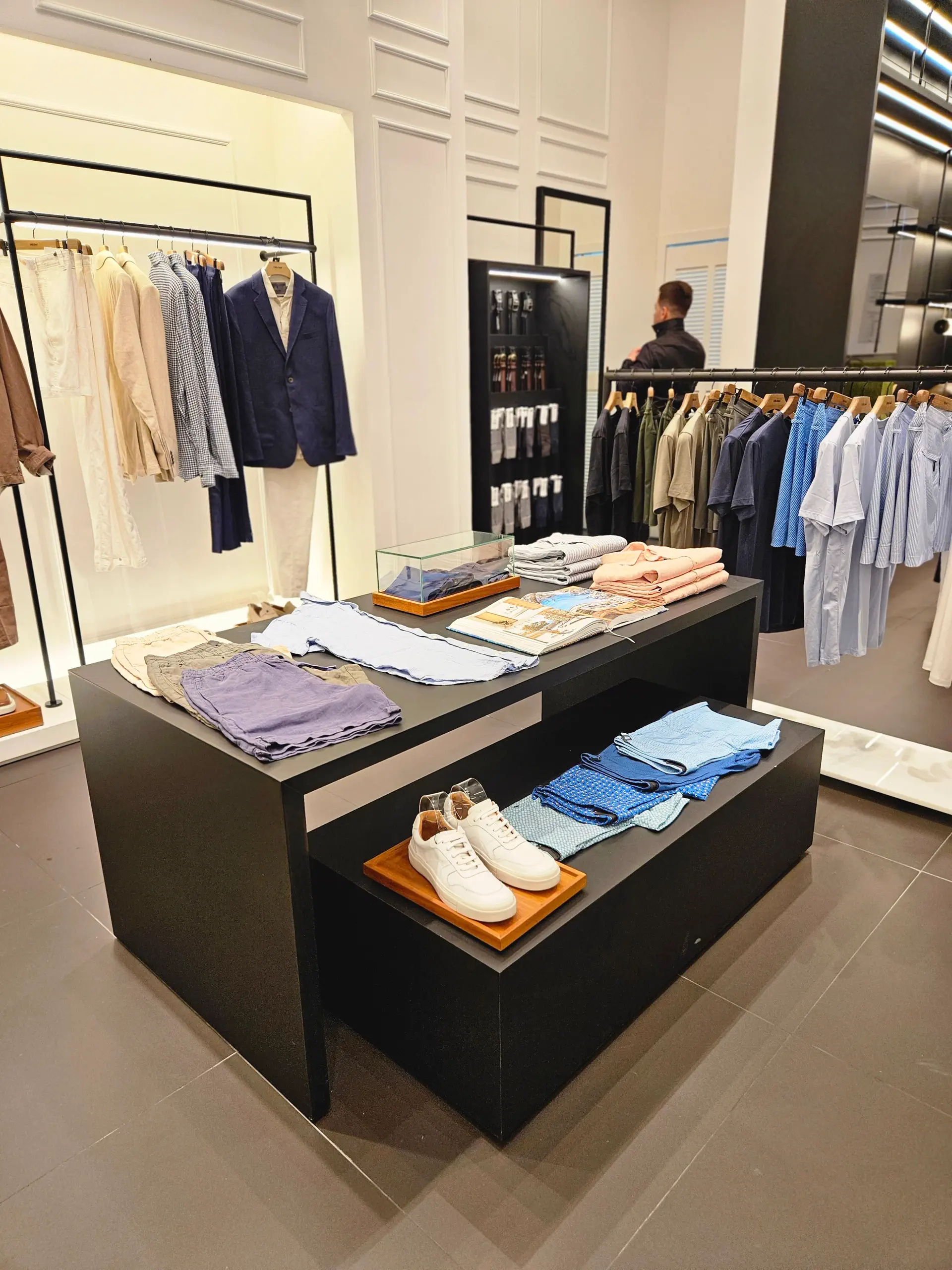
Ask a store manager where their shrinkage comes from and you will usually hear "shoplifters". Ask them to show you, and the answer gets less certain - because most shrink is not a single dramatic event. It accumulates: a few units at a time, in the same three places, often by the same handful of people, over months.
That is the useful part. Losses that repeat are losses you can see coming, which makes them the kind cameras are genuinely good at reducing - provided the cameras are doing something other than filling a hard drive.
The four sources, and what each one looks like on camera
- External theft. Concealment in a bag or a stroller, tag removal in the fitting room or the blind aisle, and the walk-out. Almost always preceded by a lap of the store checking sightlines - behaviour that is visible well before anything is taken.
- Internal theft. Voids and no-sale drawer opens without a customer present, sweethearting for friends, and stock leaving through the back door outside delivery windows. This is the expensive category, and the one owners look at last.
- Process failure. Deliveries signed for without a count, damages never written off, markdowns applied wrong. Not theft at all, but it lands in the same variance.
- Organised retail crime. Two or three people, a specific high-value category, in and out quickly, hitting several stores in a corridor. Repeat visits are the signature.
What "behaviour-aware" actually means
The phrase gets used loosely, so here is the honest version. Analytics on a retail camera are not reading intent. They are recognising patterns that correlate with loss, and putting those clips in front of a person:
- Loitering in a fixed zone past a threshold - the fitting room corridor, the razor blade section, the back-of-store exit.
- Directional crossings at a door that should be one-way, or any movement through the receiving door outside delivery hours.
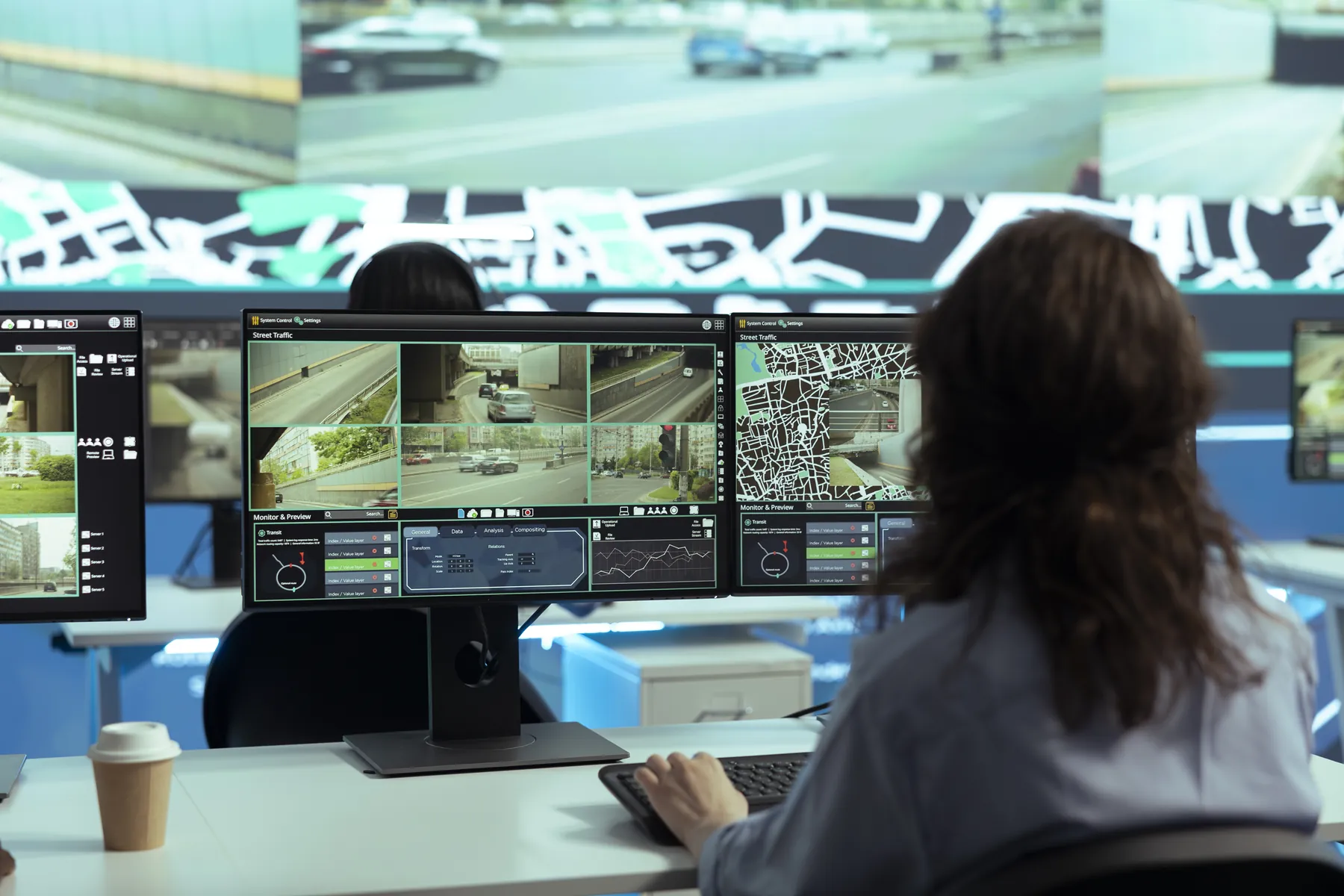
- Till events with no customer. Pairing the POS feed with the camera over the till turns a void into an alert only when nobody is standing there.
- People counting against transaction counts. A conversion rate that collapses at the same hour every Tuesday is a question worth asking.
- Repeat appearance. The same person entering three times in a week, across sites in a chain, is the strongest ORC signal there is.
Why live monitoring changes the arithmetic
A recorded camera helps after the fact: it supports a claim, a dismissal or a police file. It does not reduce shrink, because nothing about it changes what happens on the floor.
Live monitoring intervenes while the loss is still preventable, and the intervention is deliberately unremarkable:
- An operator sees concealment behaviour in aisle six and radios the floor. A staff member walks past and asks if they need help finding a size. The item goes back on the shelf and nobody is confronted.
- After hours, someone tests the rear door. A voice-down over the store speaker ends it before the door does.
- A void without a customer is flagged with the clip and the transaction attached, so the conversation with the employee is about a specific 11:42 p.m. event rather than a vague suspicion.
Notice what none of those involve: staff physically stopping anyone. Every Canadian retailer's policy - correctly - tells employees not to. The point of a monitored camera is that presence and attention do the work instead.
A practical starting order
- Fix the blind spots you already know about. Every store has three: the fitting room corridor, the far aisle behind the endcap, and the receiving door. Ask the closing staff - they will name them instantly.
- Get the till on camera with the POS overlaid. This is the highest-return single change in most independent stores.
- Put detection on the back door outside delivery hours. Cheap, and it closes the most expensive route.
- Add live monitoring for the hours that actually matter - open-to-close on weekends, plus overnight - rather than paying to watch an empty store at 4 a.m. on a Tuesday.
- Review the incident log monthly. If the same aisle keeps appearing, the answer might be a fixture change, not a camera.
The short version
- Shrink repeats - which means it is predictable, and preventable.
- Behaviour and zone analytics do the filtering; a person does the judging.
- Face recognition is a privacy risk you do not need to take.
- The intervention that works is a helpful staff member, not a confrontation.
If you want to know what your current cameras could be doing already, we will review your existing setup as part of a free site survey - most stores need placement changes and monitoring far more than they need new hardware. You can also read how our live video monitoring works end to end.