Construction site theft in B.C.: what actually stops it
Fencing, lighting, dogs, guards, cameras - everything on the list gets sold as the answer. Sorted by what our incident logs say, the order is not the one most sites buy in.
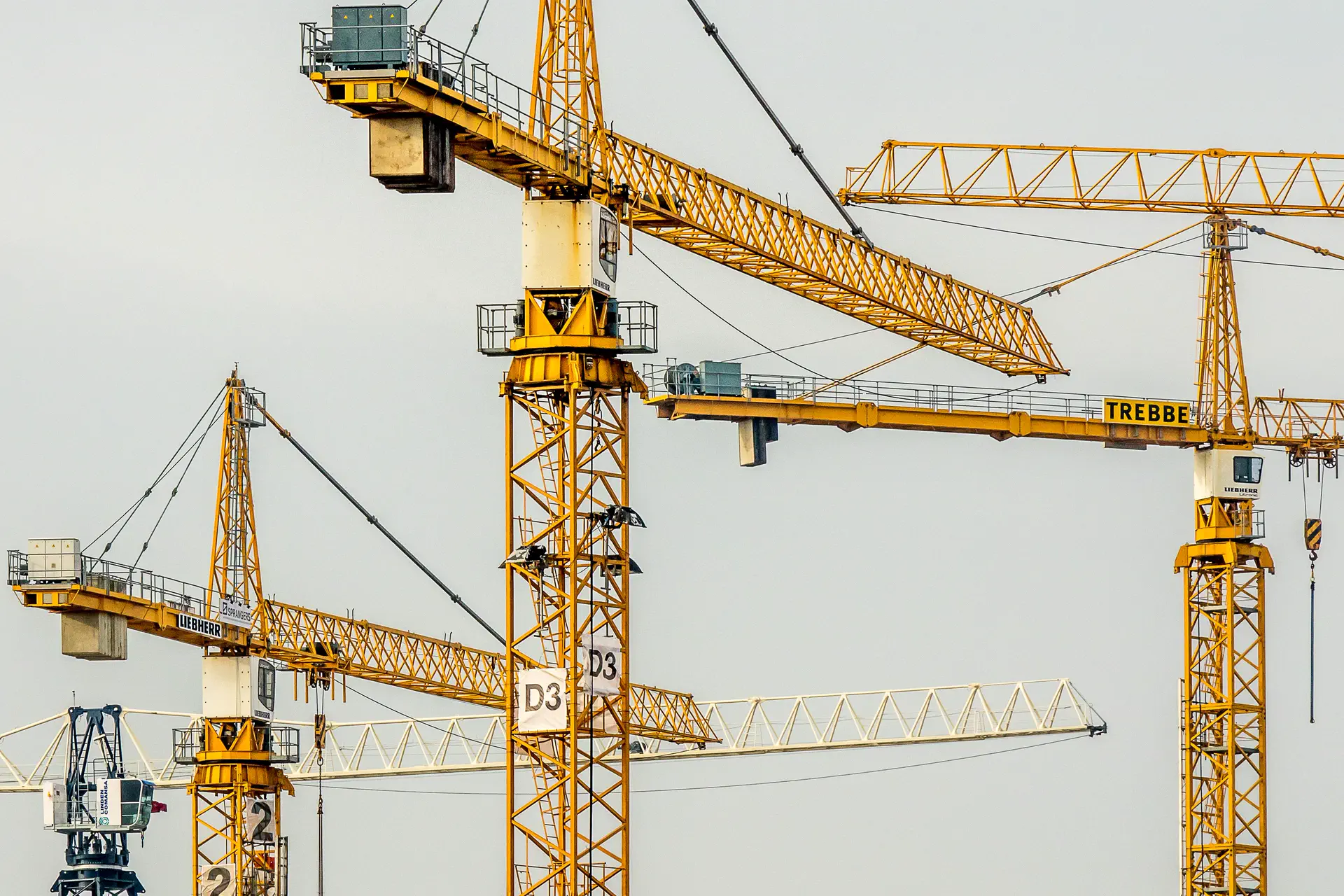
A construction site is the hardest kind of property to protect and the easiest kind to rob. It has no doors for most of its life, its most valuable contents sit in the open, its layout changes weekly, and everyone in the trade knows what a framing crew leaves on site over a long weekend.
The costs land in a strange order, too. Stolen copper and tools are the invoice everyone sees. The real number is the week of schedule you lose waiting on a replacement lift, the deductible, the premium at renewal, and the trade who cannot start on Monday because their gear is gone.
What gets taken, and when
Across the sites we watch in B.C., the pattern is consistent enough to plan around:
- Copper and wire once electrical is roughed in - the single most reliable target on a residential build.
- Small tools and batteries from unlocked connexes and job boxes, usually taken by someone who has been on site legitimately.
- Fuel and catalytic converters from equipment parked at the perimeter overnight.
- Appliances and fixtures in the last month of the build, when finished units sit unoccupied.
Timing is just as predictable: the first night of a long weekend, and the two hours after the last crew leaves on a Friday. Sites are quiet, nobody is expected, and the person taking things has three days before anyone counts.
The four things sites buy, ranked by what they do
1. Fencing and lighting
Necessary, and nowhere near sufficient. Temporary fence keeps honest people out and slows nobody down - panels lift, and every site has the corner where the fence meets the neighbour's lot. Lighting is worth more than fencing, because it makes cameras usable and takes away the assumption of not being seen. Neither of them ends an incident once someone is inside.
2. Guard dogs
Effective for the yard they are standing in, and a liability and welfare question everywhere else. Very few B.C. sites run them now, and the ones that do still need something watching the rest of the property.
3. Security guards
A guard is the only option that can physically intervene, which is why the industry defaults to it. The trade-off is coverage: one guard covers one place at a time, patrol routes become predictable within days, and around-the-clock staffing on an eight-acre site is the most expensive line item in the security budget by a wide margin. For sites with a genuine confrontation risk, guards paired with monitored cameras - hybrid security - is the arrangement that actually holds.
4. Cameras
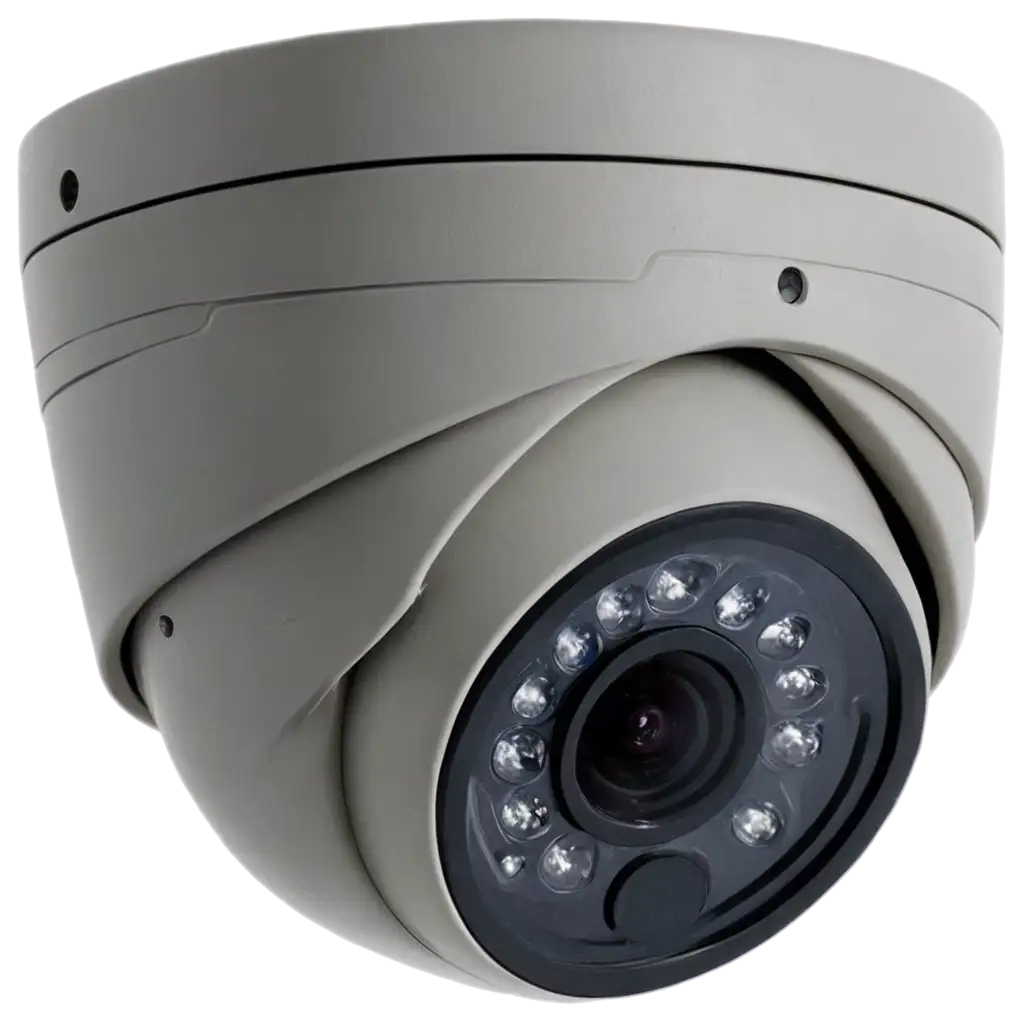
Here is where most of the money is wasted, and it is a distinction worth being precise about:
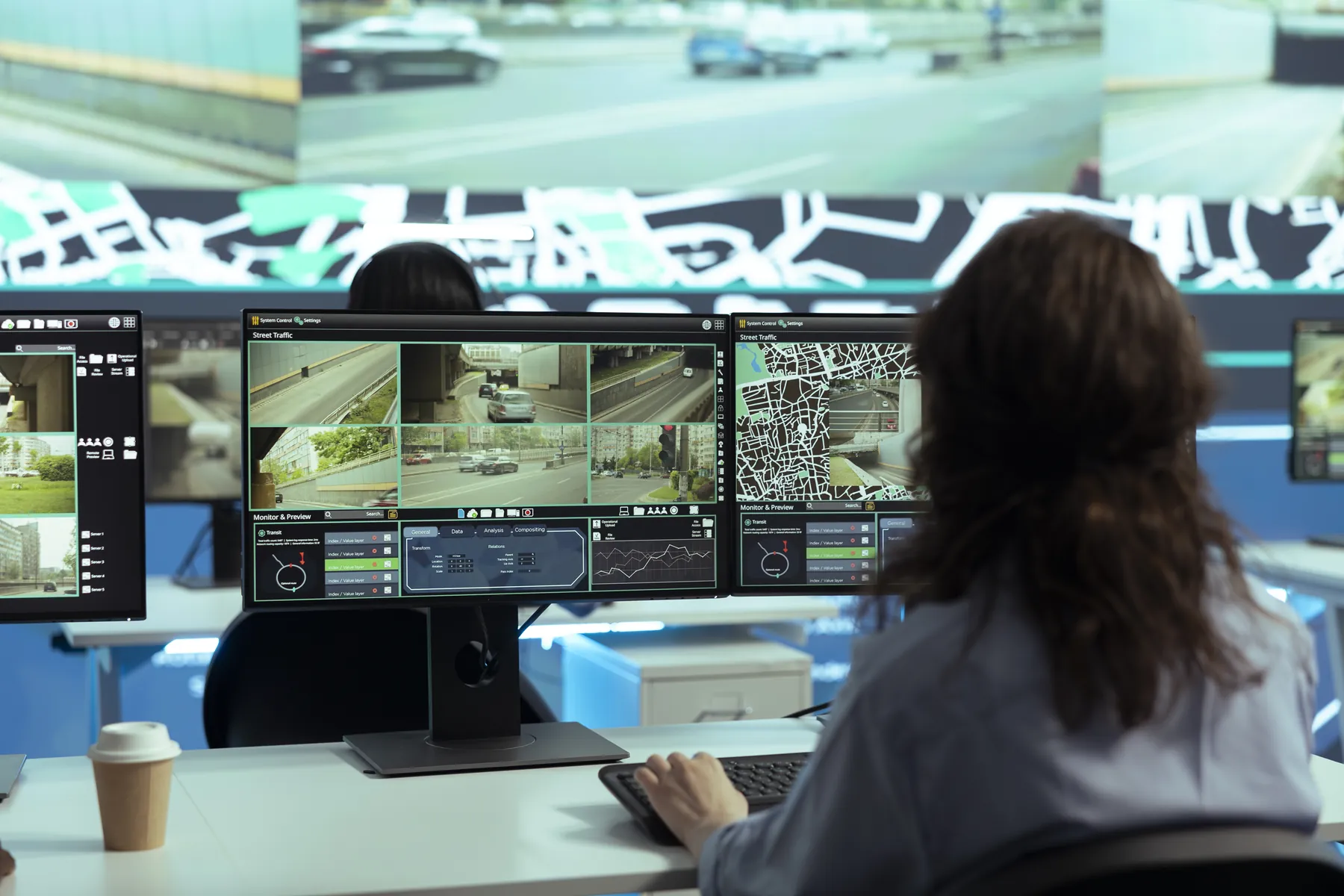
The difference is not the camera. It is whether there is a monitoring centre behind it at 2 a.m. on a Saturday.
What ends an incident
Nearly every intrusion we resolve ends the same way: an operator speaks to the person, by description, over a site speaker. "You in the grey hoodie by the blue connex - you are on private property, we have called police." That sentence does something a siren cannot. A siren is automation. A voice describing what you are wearing means someone is watching right now, and it changes the risk calculation immediately.
The second thing that matters is what the police receive. An unverified alarm from a construction site is a low-priority call, and rightly so - most are false. A verified report from an operator watching live is a crime in progress, with a description, a direction of travel, and a vehicle plate. That is a different call entirely.
Where to put the money on a typical site
- Cover the ways in, not the fence line. Gates, the laydown yard, the connex row, and the neighbouring lot people cut through. Four well-placed cameras beat twelve badly aimed ones.
- Solve power and network first. Most B.C. sites have neither for the first several months. Mobile surveillance units - solar towers on trailers - exist precisely for that window, and they move as the site changes.
- Arm on a schedule that matches the crews. Detection has to be off during working hours or it will be ignored during the hours that matter.
- Insist on speakers. A camera with no audio can only watch. Talk-down is the part that ends things.
- Log everything. Time-stamped incident reports with clips are what your insurer and your claims adjuster will ask for, and what tells you whether last month's changes worked.
The short version
- Fencing and lighting are prerequisites, not protection.
- Recorded footage is for insurers; live monitoring is for stopping the theft.
- The voice-down is what ends most incidents, not the alarm.
- On a site with no power or network, a solar tower gets you covered in a day.
If you are pricing security for a build that has not broken ground yet, the cheapest version of this conversation is the one that happens before the wire goes in. Book a site walk and we will mark the camera positions on your site plan.